Premium compost vs Waste Management
Carlos A. Postlethwaite - March 2023
Developing clean, healthy and productive industries requires wide-ranging efforts. Two goals that will contribute towards improving our current systems are: 1) eliminating the contamination caused by organic wastes and 2) finding environmentally beneficial ways to grow nutritious food and other agricultural products.
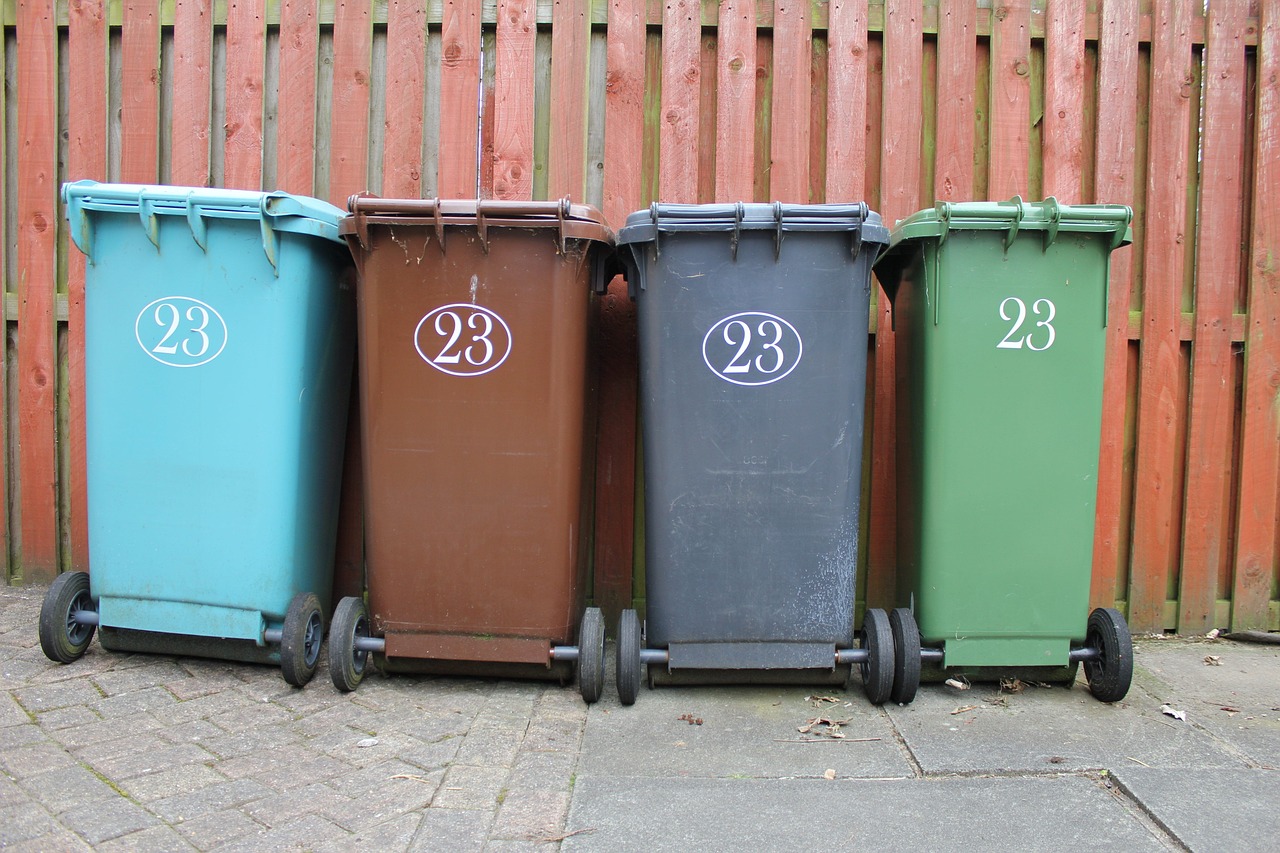
An initial step for improving organic waste management involves diverting organic wastes from landfills and incineration and gearing them towards biological reprocessing such as composting and anaerobic digestion. The main payoff of this redirection is reducing the damage that organic wastes inflict on air, land and water when buried or burned.
Composting and anaerobic digestion begins with organic wastes that, by the end of the process, become organic material which can be used by farmers and landscapers as a soil amendment. The mission of an organic waste management site is to receive and transform the greatest amount of parent material and enable its decomposition through the appropriate processes.
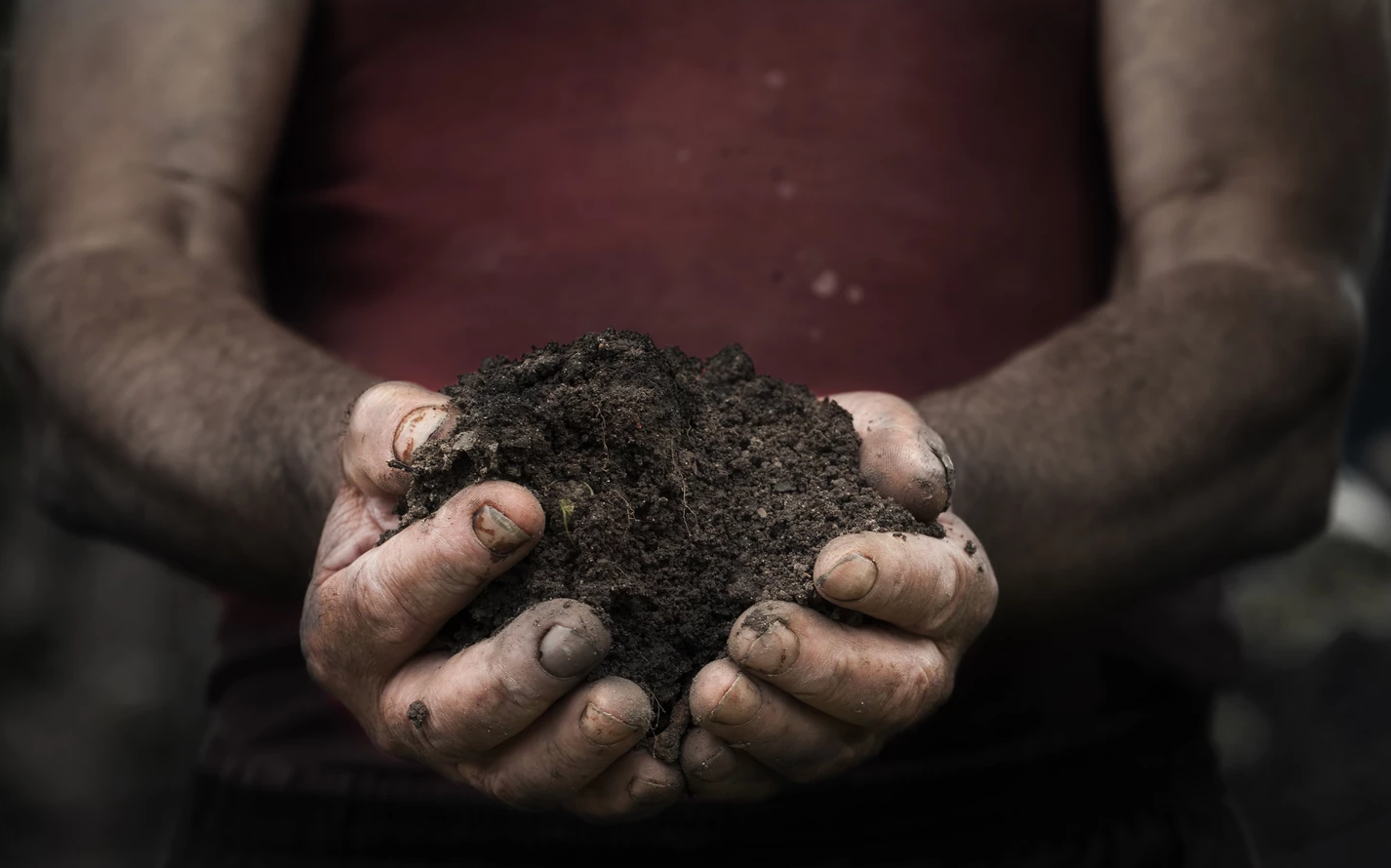
Producing premium agricultural substrates involves a shift in focus and intent, when compared to organic waste management. Although the organic material at the end of a waste management operation can be used by growers, the material is not specifically designed for benefitting soils, or crop production. The purpose of a substrate facility is to produce a product that maximises its beneficial attributes for agricultural usage. In order to do so, all the steps in waste management must be fine-tuned.
Producing high quality inputs for growers requires factors such as: a more meticulous selection of the initial parent material; pre-treating the material for appropriate particle size, humidity, or other physical-chemical properties; mixing parent materials at a precise ratio; ensuring appropriate batch sizes for a standardisation and homogeneity; more precise control of factors such as temperature, humidity, time, porosity, pH, electro-conductivity, etc.; material post-treatment or enhancing for application.
In summary, both waste management operations and agricultural input producers have an important role to play in improving our environmental and production systems. The end products of both of these types of facilities may be used in the agricultural sector for different purposes. But it is important to distinguish between the different benefits that these related efforts can contribute. Whether the focus is on reducing environmental contamination or improving agricultural production.
If you are interested in finding out how high quality, premium substrates can be used in your crops, contact Soil Nurture now.